
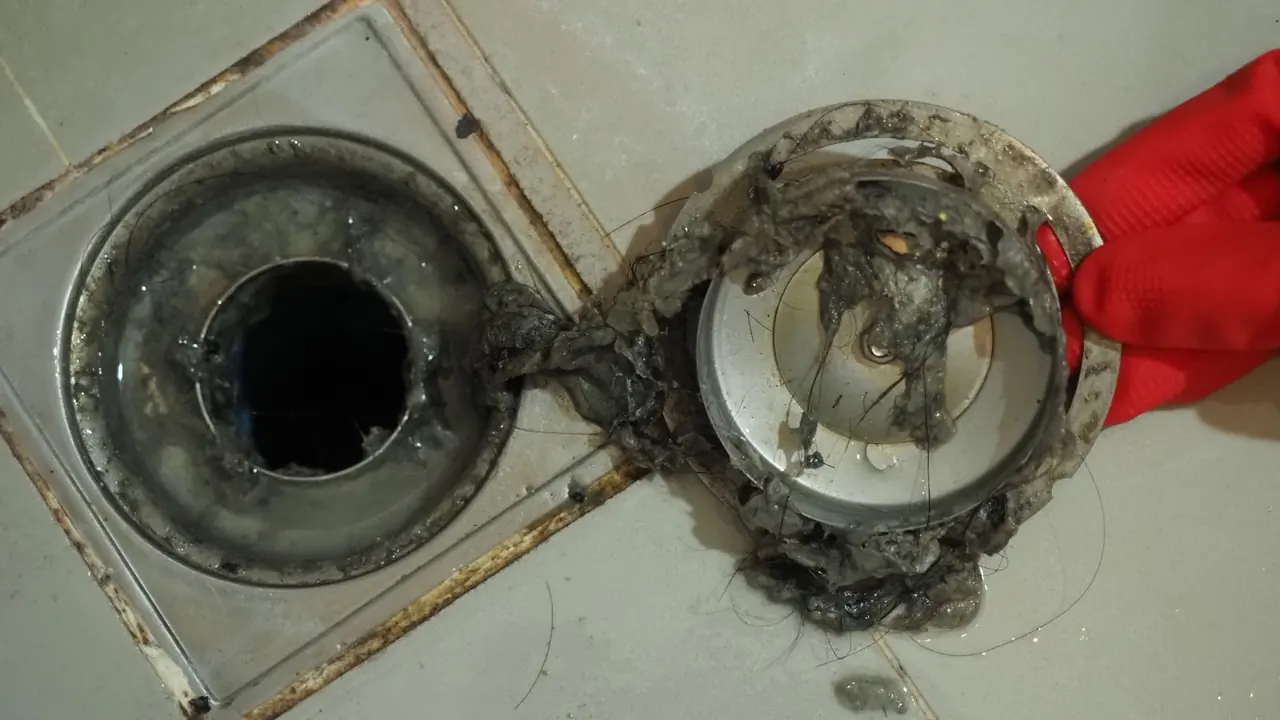
Sewage is coming up through a drain right now
If wastewater is rising out of a toilet, tub or floor drain, you need sewage backup cleanup in Calabasas, CA, and you need it soon. Phone the round-the-clock number and a licensed, insured team heads your way as soon as one has room on the schedule. Until it gets there, keep everyone out of the affected rooms.
Do not wade in, do not run more water down any drain, and do not flush. Every sink, shower and washing machine in the house feeds the same blocked line. Close doors to the wet area and lift anything valuable off the floor only if you can do it without stepping into the water.
Sewage backup is Category 3 water in the IICRC system. That label means it carries bacteria and other contaminants from the start, so the job is about removal and disinfection more than drying. General wet-room cleanup is covered on the water damage cleanup page.
Gurgling drains, slow toilets and a smell you cannot place
Backups rarely start with a flood. They start with a toilet that bubbles when the washer drains, a tub that fills with grey water after a flush, or a floor drain in the laundry room that smells like a sewer. Those are warning signs that the line is partly blocked.
A stain that spreads on carpet near a lower-level bathroom, or a damp patch around a floor drain, can mean the backup already happened while no one was home. If more than one fixture is affected at once, the blockage is usually in the main line, not in a single trap.
Sewage in the house?
Call the 24/7 line and describe the backup. A team is sent out once one is free, and you hear the scope before anything begins.
Call (818) 337-2642Safety steps and who to call first
Your first call is for the blockage, because cleanup cannot finish while the line is still backing up. For water and sewer emergencies the Las Virgenes Municipal Water District keeps staff on a day-and-night hotline, (818) 251-2100. Ask whoever picks up whether the problem looks like the public main or your own lateral. A plumber then clears and repairs whatever is blocked.
Who pays for clearing the blockage can depend on where it sits, so ask both the district and your plumber before assuming. This page does not decide that, and a restoration crew does not clear sewer lines.
- Keep children and pets out. The CDC advises keeping both out of the affected area until cleanup is complete.
- If you must enter, wear rubber boots, rubber gloves and goggles, which is the protective gear a CDC cleanup fact sheet lists.
- Flip breakers off solely when the electrical panel sits on dry ground and getting to it means no wading. Otherwise leave it alone and mention it to the dispatcher.
- Do not use a household vacuum on sewage. It spreads contamination through the exhaust.
- Photograph the water line on walls and the items affected before anything is moved.
How the crew removes it and what gets thrown out
Once the plumber or utility has stopped the backup, the crew extracts standing water with a pump and wand extractor, wearing disposable coveralls, gloves, boots and respirators. Walkways are protected so nobody tracks contamination into clean rooms. Plastic sheeting and zip walls separate the work area from the rest of the house.
Porous materials are removed, not cleaned. That usually means carpet, pad, insulation and the lower part of drywall, cut out above the visible water line. The CDC fact sheet is blunt about it: remove and discard items that cannot be washed and disinfected. Bagged debris leaves the house through the shortest route.
Hard surfaces such as tile, concrete, sealed wood and framing are scrubbed with detergent, then treated with an antimicrobial or disinfectant. Moisture meters and thermal imaging show whether water travelled behind baseboards or under tile.
Air movers and LGR dehumidifiers start only after the source is controlled and the contaminated material is out. A HEPA air scrubber is often added inside containment. When comparing contractors, find out if the crew follows ANSI/IICRC S500, the industry's written standard for restoring water-damaged buildings, which has a section on contaminated water. For the larger flooding cases, see flood damage restoration.
What changes the cost of a sewage backup job
Quoting a figure blind would be guesswork, so none is offered here. Ring the 24/7 number, tell the dispatcher what the room looks like, and the dispatcher walks you through what the job covers and what it costs ahead of any work. The size of the job turns on these points:
- How far the water travelled and how many rooms it reached.
- How much carpet, pad, drywall and insulation must be removed and hauled away.
- How long the water sat before extraction started.
- Whether the backup reached finished flooring, cabinets or a lower level.
- How much containment, air scrubbing and drying equipment the structure needs, and for how many days.
Rebuilding after removal is a separate phase and is quoted separately. Homes in Calabasas are often a mix of finishes, so a tile hallway and a carpeted bedroom on the same backup can be two different scopes.
Insurance and sewage backups: check your policy
Backup coverage is often an add-on
Many homeowners policies treat sewer or drain backup as a separate endorsement, not part of the base policy. Others limit it. Read your policy or ask your insurer whether you have it, and what the limit is.
State insurance regulators in California suggest taking sensible steps to limit further loss and holding on to every receipt. Keep photos, the plumber's invoice and the cleanup scope. A restoration company documents the work, but it does not decide your claim.
Mistakes to avoid after a sewer backup
The most common mistake is trying to dry the room before the contamination is out. Fans on carpet soaked with sewage spread airborne particles and leave the pad behind. Another is mopping with a household cleaner and leaving wet baseboards in place.
Do not keep using the plumbing to see whether the clog has cleared. Each flush can add to the flood. Do not store wet, contaminated items in a garage for later sorting, and do not let children collect toys from the floor. Health questions after exposure belong with a physician, not with a cleanup company.
Once the cleanup is complete, ask the plumber how to reduce the chance of a repeat, such as a camera inspection of the lateral or a backwater valve. Tree roots, grease and wipes are common causes of blockage in general, though no local count of them was found.
Local reach and paperwork
The city's Public Works office, found at 100 Civic Center Way and reachable on (818) 224-1600, is a sensible contact for questions about permits if a plumber needs to dig or replace sewer pipe. The crew can work from the same dispatch for nearby towns, including West Hills and Woodland Hills.
Whoever you hire, check that a contractor is licensed and insured, and that the written scope matches the work described.
Frequently asked questions
Is emergency sewage backup cleanup available in Calabasas?
Yes. Someone picks up the 24/7 number at any hour, and a licensed, insured team is sent out once one is free. Phone as soon as wastewater appears, and stay out of the water until the crew explains what is safe.
Should I call a plumber or a cleanup crew first?
Call the plumber or the utility first if the drain is still backing up, because cleanup cannot finish while water keeps rising. You can call the cleanup line in the same hour so that extraction is lined up as soon as the line is clear.
Can I clean up a small toilet overflow myself?
A small overflow on a sealed tile floor can often be handled with gloves, boots, goggles and a disinfectant. If it reached carpet, a wall, a cabinet or a lower level, the porous parts need professional removal.
Why does carpet have to be thrown away?
Carpet and pad hold contaminated water deep in their fibres and cannot be rinsed clean. The CDC advice to discard items that cannot be washed and disinfected applies directly to them.
Who is responsible for the blocked sewer line?
That depends on where the blockage sits, in your lateral or in the public main. Ask Las Virgenes Municipal Water District and your plumber. This page does not state who pays.
How long until the room is usable again?
It depends on how many materials were removed and how long drying runs. The crew reads moisture meters to decide when drying is done, and rebuilding is scheduled after that.