
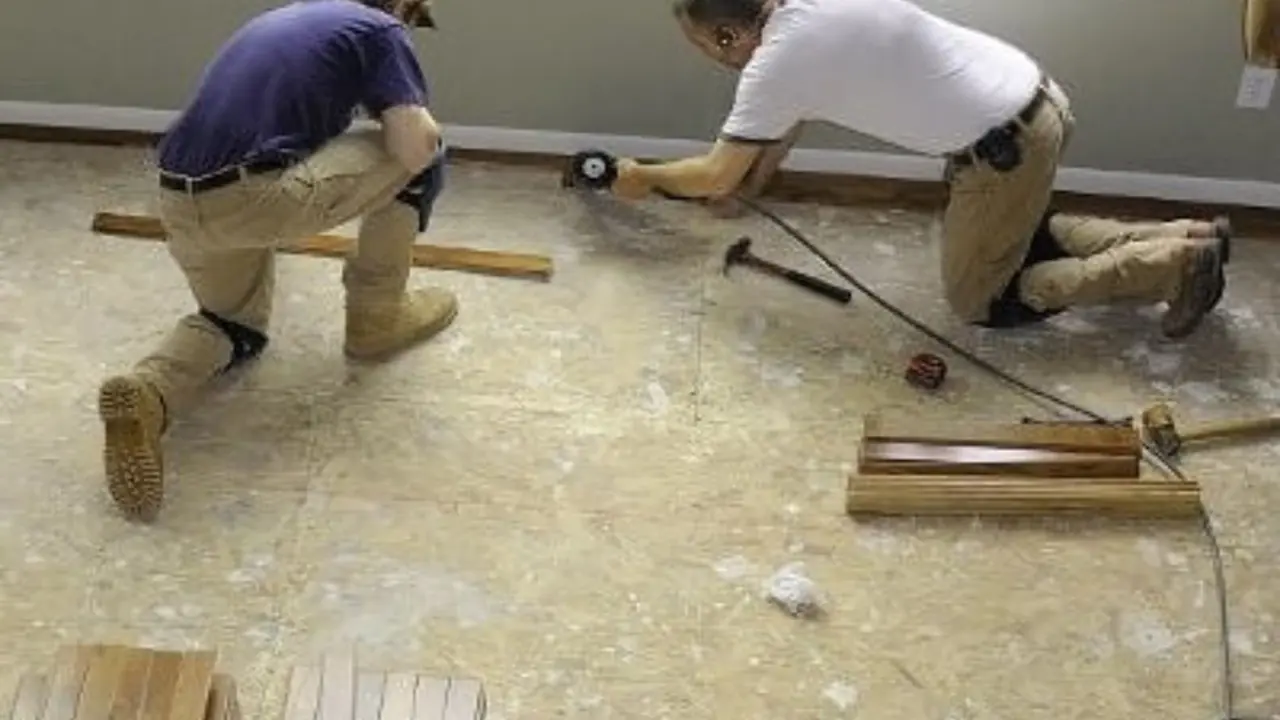
Rebuilding after the drying is finished
Water damage repair in Calabasas, CA starts when the structure is dry, not when it looks dry. A moisture meter reading on the studs and subfloor tells you more than a quick glance at fresh-looking drywall. Until those numbers settle, new materials just trap whatever dampness is left.
This page covers the rebuild: what comes out, what stays, what gets replaced and in what order. If water is still spreading or you have standing water, start with stopping the damage in the first 24 to 72 hours instead and come back here once the drying is done.
Repair work is slower and more visible than emergency work. You choose paint colors, flooring and cabinet finishes, so it helps to know the sequence before anyone starts cutting.
The order a rebuild usually follows
Confirm the structure is dry
Readings are taken on framing, subfloor and the back of drywall. Repair crews should not close up a wall that still reads wet.
Finish demolition
Anything the drying crew flagged but left, such as swollen baseboard, delaminated cabinet bases or soaked insulation, comes out now.
Rough repairs
Framing patches, subfloor sections, new insulation and any plumbing or electrical work by the licensed trade that owns it.
Close up and finish
Drywall hung, taped, textured to match and primed. Then paint, trim, flooring and cabinet install.
Walk the job
You check edges, seams, door swing and floor transitions before final payment, not after.
Fixing a leaking supply line or drain is a plumber's job. A restoration and repair crew rebuilds what the water damaged. It does not decide your insurance claim either, that stays between you and your insurer.
Ready to scope the rebuild?
Describe what you see and we will help sort what is repair work and what still needs drying. Call the 24/7 line.
Call (818) 337-2642Replace it or keep it: a material by material guide
| Material | Often kept if | Usually replaced if | Why it matters |
|---|---|---|---|
| Drywall | Splashed briefly and dries flat with no stains or soft spots | Soft, bowed, stained or still damp after a couple of days | Paper facing holds moisture and can crumble when pressed |
| Fiberglass insulation | Only dampened at the edges and dried quickly | Sagging, matted or soaked through | Wet batts lose their fluff and stay damp against framing |
| Solid hardwood | Cupping eases as moisture drops | Cupping stays, boards split or finish lifts | Sanding too early can lock in warped boards |
| Laminate and engineered plank | Rarely kept after soaking | Edges swell or the core turns to fiber | The core is pressed wood and does not shrink back |
| Tile | Tile and grout are intact | Subfloor beneath is soft or the tile pops loose | The tile is rarely the problem, what is underneath often is |
| Particleboard cabinets | Only if toe kick got splashed and dried | Base is swollen or the veneer peels | Particleboard swells and does not recover |
| Plywood cabinets | Often kept after proper drying | Layers separate | Plywood tolerates moisture better than particleboard |
| Paint | Surface is sound and primed correctly | Bubbling or peeling returns over a stain | Stains need a stain-blocking primer first |
Ceiling and Wall Water Damage Repair
Ceilings and walls fail in a few predictable ways. A brown ring means water has been there at least once. A sag or bubble means the board is holding water, and that board can drop without warning. Peeling paint over a flat area often points to moisture moving through the wall from behind.
For a small stain with a dry, solid board, the fix may be as simple as stain-blocking primer, a skim coat and paint. For a sagging ceiling, the damaged section is cut out back to the nearest joist, checked for wet insulation above, and patched with new board. The seams are taped, mudded in coats, sanded and textured to match.
Match matters more than people expect. Orange peel, knockdown and smooth finishes each need a different technique, and a patch painted in a slightly different sheen will show in side light. Repainting the whole wall, corner to corner, usually looks better than spot painting.
Find the source before closing anything. If a pipe, roof flashing or an upstairs fixture caused the stain, patching below it only buys a few weeks.
Older homes: lead, asbestos and permits
Calabasas has a lot of housing from the 1960s through the 1980s. The City's Housing Element background report says 73 percent of the housing stock was built before 1989, with the 1980s the largest single decade. That matters for repair because two federal and state rules can apply to older materials.
For homes built before 1978, the EPA lead renovation rule (RRP) applies to paid work that disturbs painted surfaces. Firms working under it use containment and specific cleaning steps. Separately, the CSLB asbestos guide notes that buildings built or remodeled between 1945 and 1978 may contain asbestos materials, such as some texture coatings, flooring and pipe wrap.
Ask any contractor how they handle both before demolition starts. Do not scrape, sand or tear into suspect material on your own first.
For permits, the City of Calabasas Building and Safety Division handles them. Call them with a plain description of the damage and ask what your repair needs. Some patch work needs nothing, while rebuilt framing, electrical or plumbing work may.
Hiring rules that protect you
In California, work totaling $1,000 or more in labor and materials must be done by a contractor licensed by the CSLB. Check the licence on the CSLB site before signing and get the scope in writing. The CSLB also advises not paying more than 10 percent down or $1,000, whichever is less, and avoiding cash.
A note on insurance
A homeowners policy frequently responds to a sudden, accidental event, and slow leaks or long neglected problems frequently fall outside it. Repairs can fall under a different part of the claim than the drying did. Your policy and insurer determine how rebuild costs are handled, so keep photos and receipts from the start.
What drives the cost of repairs
- Area and height. A single wall patch and a full room rebuild are different jobs, and ceilings take more labor than walls.
- Material grade. Builder-grade carpet and custom cabinets can sit in the same room and price very differently.
- Finish matching. Textured ceilings, crown molding and older paint often need extra skill and extra coats.
- Hidden conditions. Wet insulation, rotted framing or an old lead paint layer can change the scope once walls are open.
- Permits and sequencing. Inspections, trade scheduling and drying time between coats add days.
Prices vary too much to quote responsibly without seeing the room. A real figure comes once someone has looked at the damage, so phone in and set that up.
Rebuilding in Calabasas homes
Many Calabasas homes sit in hillside or HOA communities, so check your association rules before changing exterior finishes, windows or roofing as part of a repair. Interior work is usually simpler.
If mold shows up when walls open, a repair crew should stop and bring in a mold remediation team before closing anything. Tearing out wet debris first is covered under water damage cleanup. For neighbors in Agoura Hills, the same rebuild process applies, and our Agoura Hills page lists nearby coverage.
Frequently asked questions
How long after drying can repairs begin?
Once moisture readings on framing and subfloor reach the dry standard the drying crew set for your home. That is often several days after equipment starts, but a wet basement slab, thick hardwood or a hidden wall cavity can take longer. Your contractor should show you the readings, not just say it feels dry.
Do I need a permit for water damage repair?
It depends on the work. Painting and swapping a few feet of drywall usually need none, while rebuilt framing, new electrical circuits or plumbing changes often do. The City of Calabasas Building and Safety Division sets the answer for your address, so describe the damage to them and ask directly.
Can the repair contractor also do the drying?
Sometimes, but they are separate stages. Drying is finished first and documented with moisture readings. Using one company for both can be convenient, though you can also hire a different rebuilder, as long as the scope and drying records are passed along.
Will new paint cover a water stain?
Not by itself. Ordinary wall paint lets brown stains bleed back through. The area needs a stain-blocking primer first, and the cause of the stain has to be fixed and the board dry. If the board is soft, it should be cut out rather than painted.
Should I replace flooring or try to save it?
Tile and some solid hardwood can often be saved after proper drying. Laminate, engineered planks and carpet padding usually cannot. A moisture meter on the boards and the subfloor, not just a look at the surface, decides which path makes sense.
What if the house was built before 1978?
Ask whether the firm follows the EPA RRP lead rules for work on painted surfaces, and whether any suspect texture, flooring or pipe wrap should be sampled before demolition. Buildings built or remodeled from 1945 to 1978 can contain asbestos materials, per the CSLB asbestos guide.
Does water damage repair come with insurance help?
A repair crew can write up scope and photos that your adjuster may ask for, but the claim decision belongs to your insurer. Ask your insurer which repair costs your policy covers before work begins, and keep every receipt.